The Facebook Dependency Trap
Many venues have fallen into the trap of treating Facebook as their primary digital presence, often at the expense of their own website and in-house marketing capabilities. While social media can be a valuable tool, this over-dependence creates a precarious situation where businesses essentially rent their customer relationships from a platform they don't control.
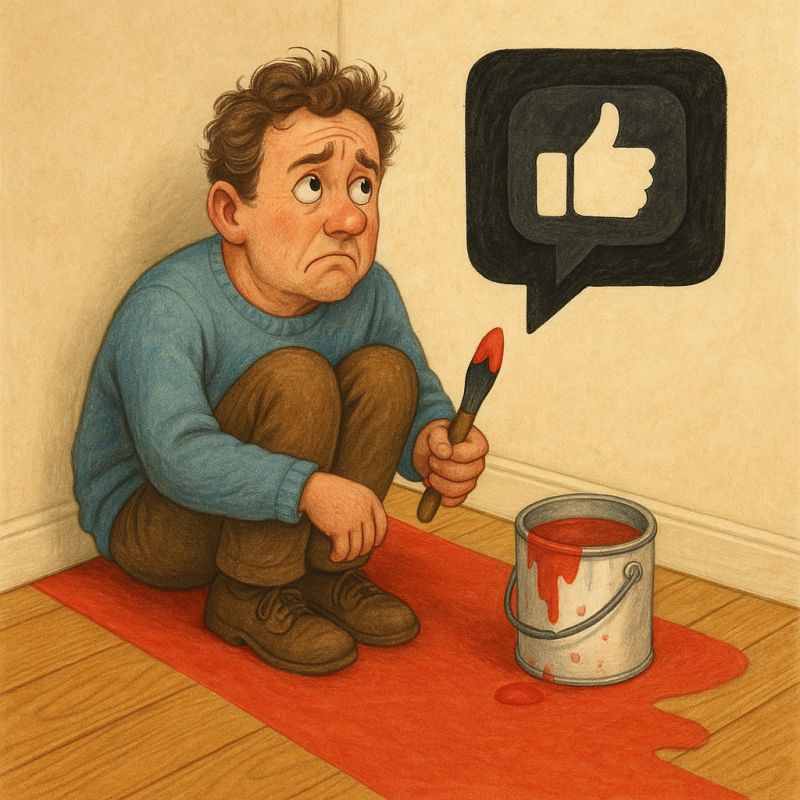
The metaphor of "painting yourself into a corner" is particularly apt here. Each Facebook post and each customer interaction that happens exclusively on that platform adds another layer of paint that makes it harder to move freely. The venue becomes trapped in an ecosystem where they have little control over reach, costs, or even basic access to their own audience.
🎯 Algorithm Changes
Facebook regularly adjusts its algorithm, which can dramatically reduce your organic reach overnight. What worked last month may be invisible to your customers today.
🏠 No Owned Media
When all your content lives on Facebook, you're essentially building someone else's property while neglecting your own digital real estate.
📊 Limited Data Control
Facebook owns the customer data and relationship. If something happens to your account, you lose direct access to your audience.
📈 The Hidden Costs of Facebook Dependency
Beyond the obvious advertising expenses, Facebook dependency creates several hidden costs that compound over time. First, there's the cost of neglecting your website and in-house displays – these owned media channels could be building long-term value and customer loyalty without ongoing platform fees. Second, you're training your customers to expect information about your venue to come through Facebook, making them less likely to visit your website or notice your in-house promotions.
Venues that have built their entire digital strategy around Facebook find themselves scrambling to adapt, sometimes losing significant reach or facing dramatically increased costs almost overnight. Meanwhile, businesses that maintain strong owned media channels – professional websites and effective in-house displays – have stable, controllable ways to communicate with their customers regardless of what any social media platform decides to do.
🎯 Breaking Free: Your Path to Independence
The solution isn't to abandon Facebook entirely, but to rebalance your digital strategy so that social media supports your owned media rather than replacing it. Think of Facebook as one channel in a diversified marketing portfolio, not as your primary digital presence.
🌐 Professional Website: Your digital headquarters that you control completely
📺 In-House Displays: Captive audience marketing with zero ongoing costs
📧 Email Marketing: Direct communication channel you own and control
There is an answer - it involves almost no technology, a few minutes per week and just $10 per day (free to try).